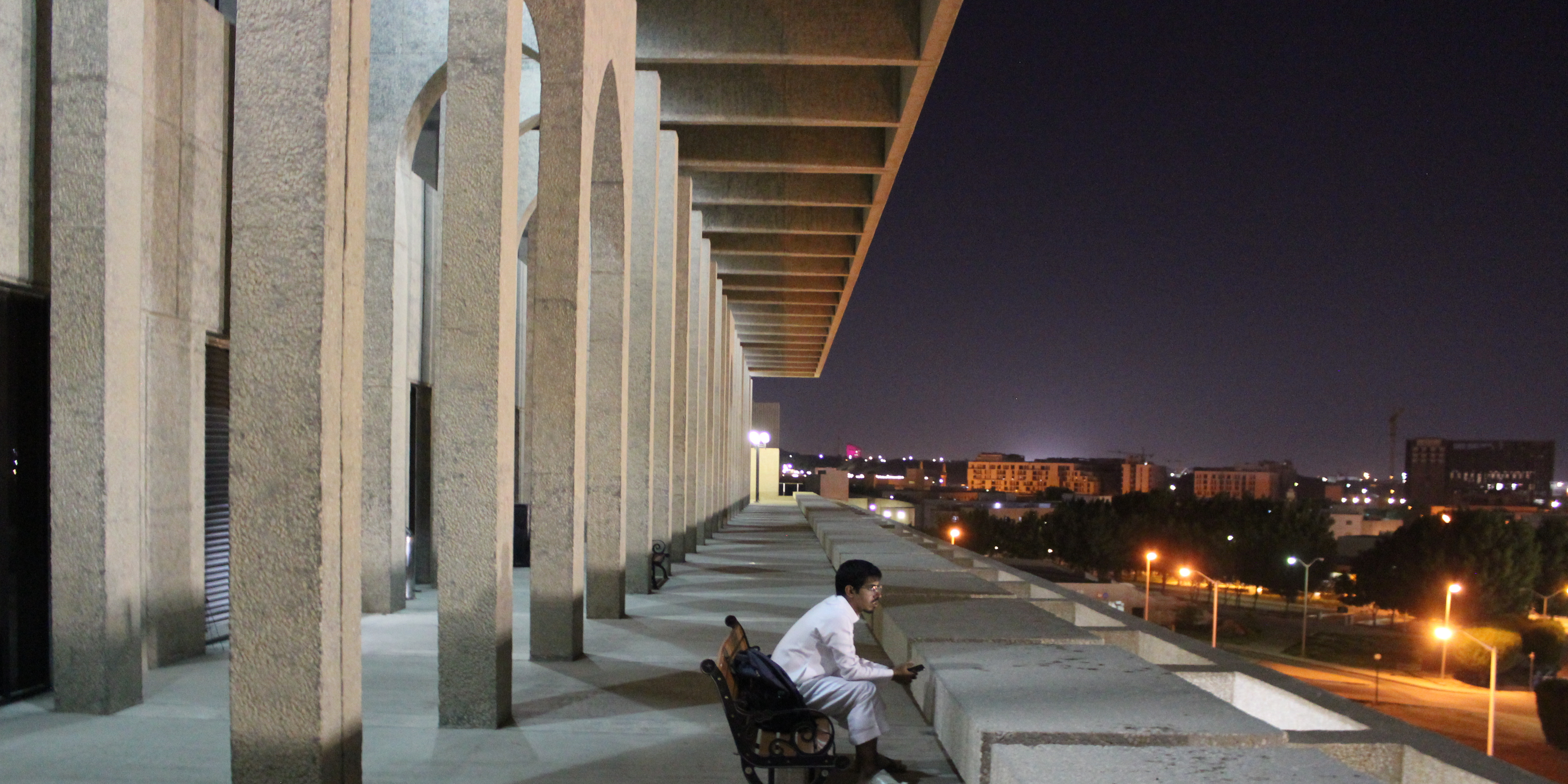
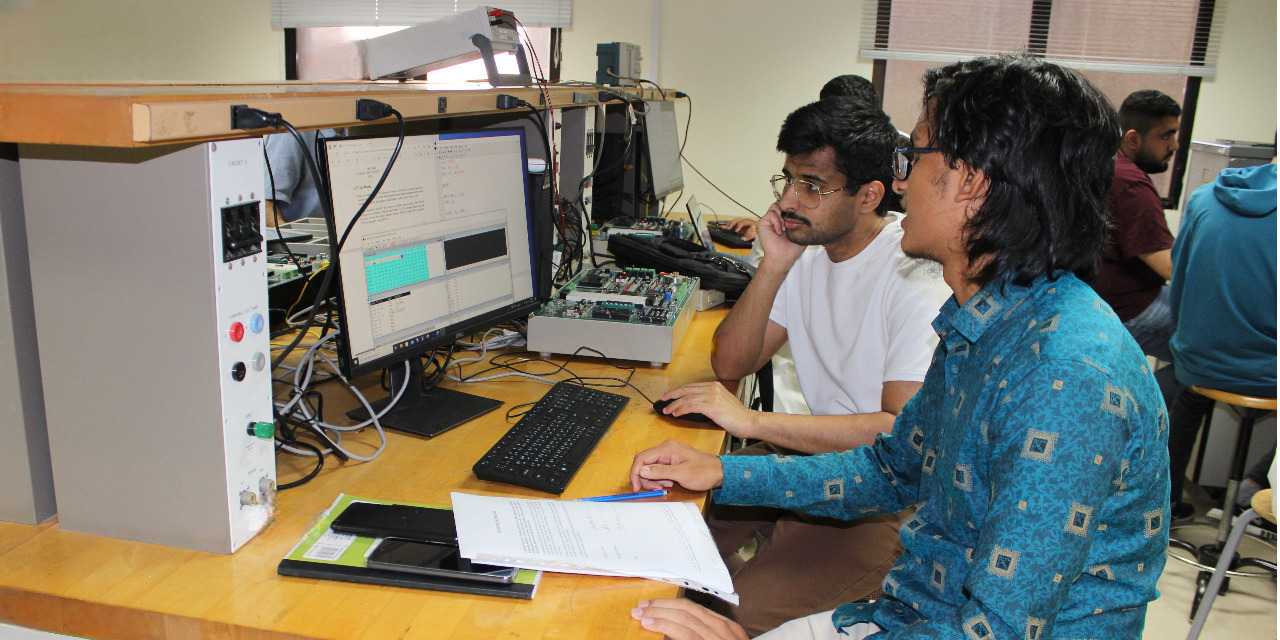
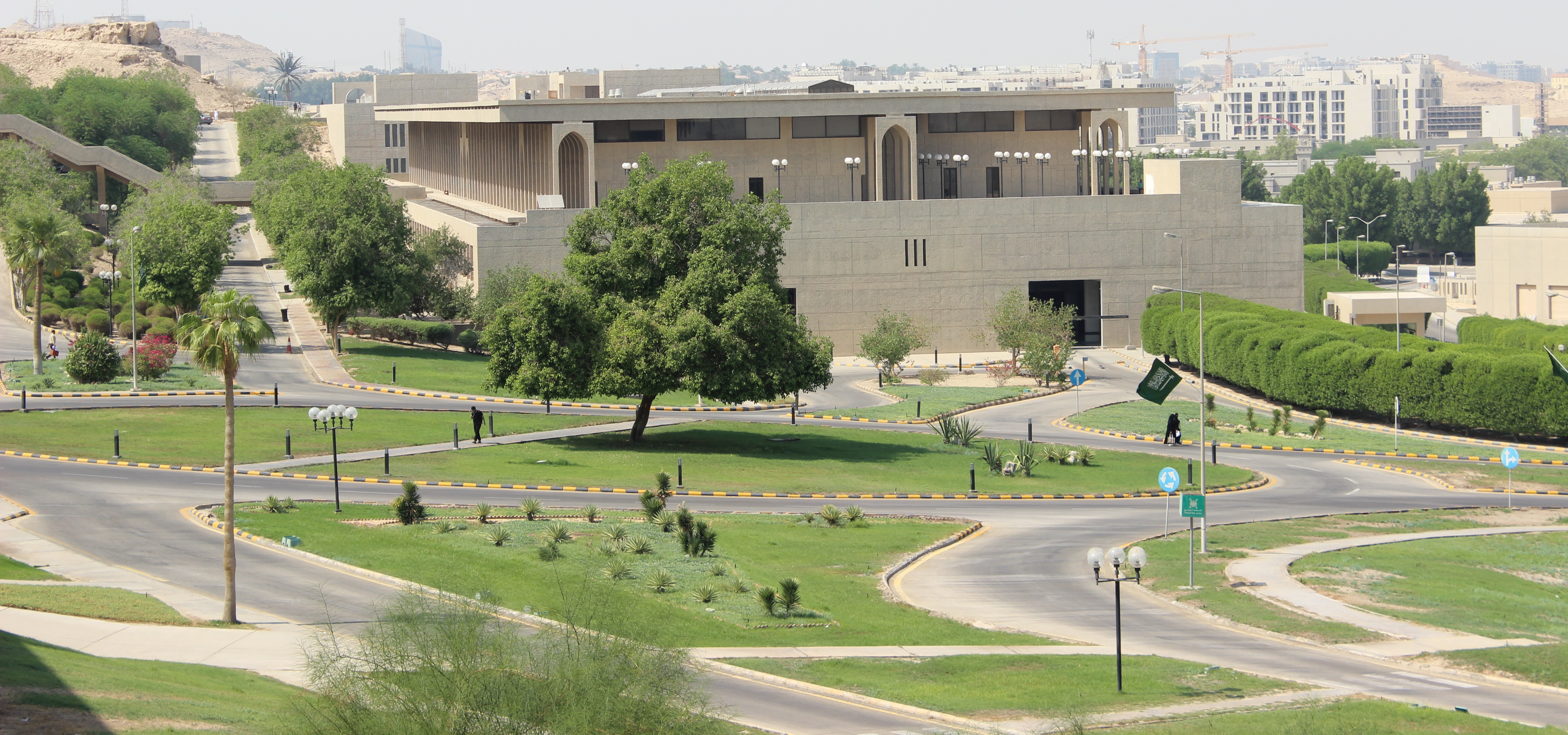
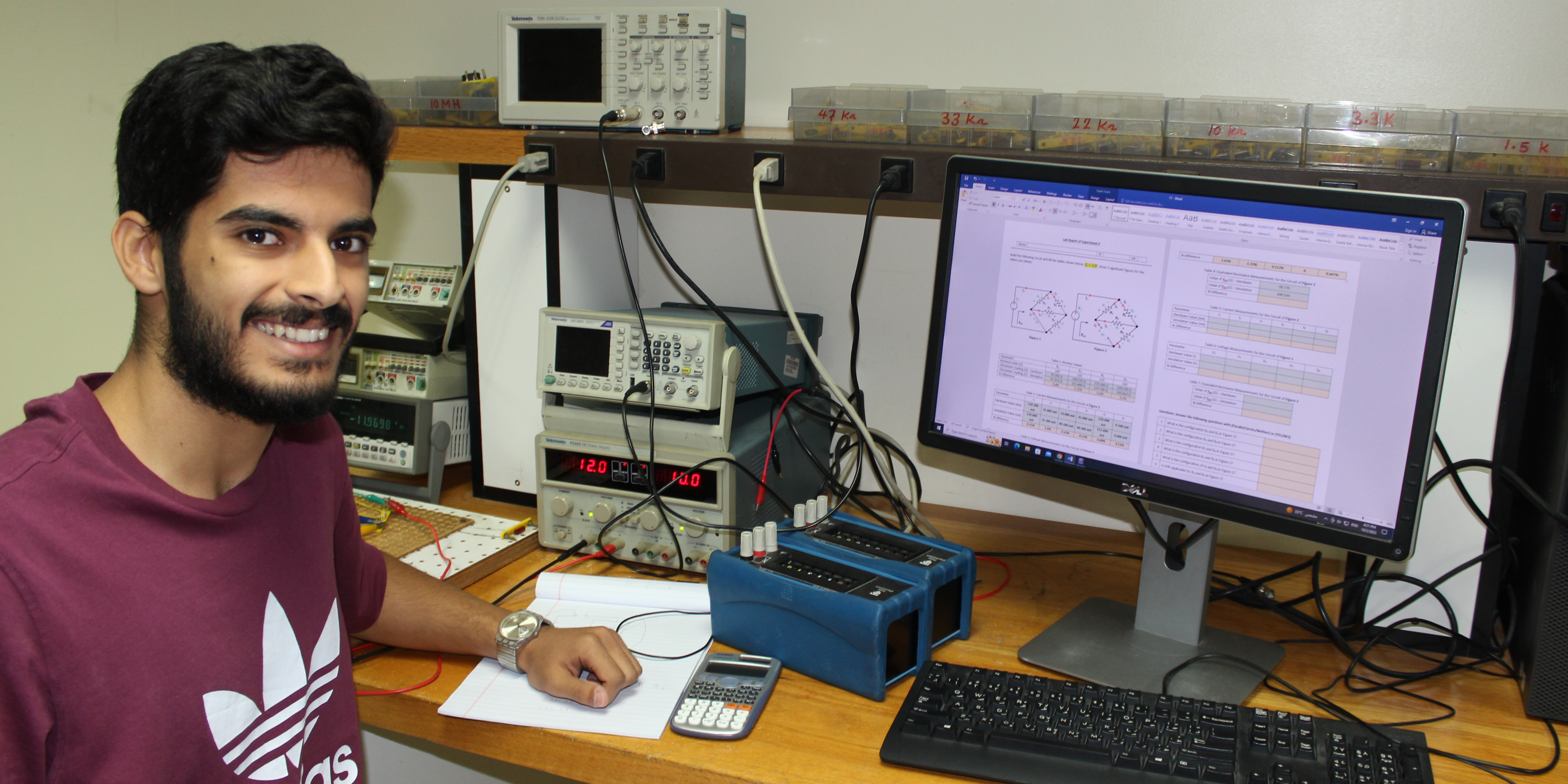

The Electrical Engineering department at KFUPM came into existence with the establishment of the University of Petroleum & Minerals in 1967. It is one of the largest departments in the University with an average number of students being approximately 900, 16% of whom are in the graduate program. The department provides 2 four-year undergraduate programs, Bachelor of Science in Electrical Engineering and Bachelor of Science in Electrical Engineering and Physics. The graduate program offers Master of Science and Master of Engineering in Electrical Engineering, Master of Science in Telecommunication Engineering, Master of Sustainable and Renewable Energy, Master of Wireless Communication Networks, and Ph.D. in Electrical Engineering.
The department has about 61 full-time faculty members in 6 specialized areas of research. The Groups in the department are: Energy Systems, Communications, Electronics, Control Systems, Electromagnetics, and Digital Signal Processing. Additionally, a pool of experienced engineers and technicians maintain more than 30 laboratories in the department.
To be globally known for skillful graduates and quality research with focus on national needs.
On April 28, 2026, the Electrical Engineering Department in collaboration with the Interdisciplinary Research Center for Communication Systems and Sensing (IRC-CSS), hosted a seminar titled “Towards Turbulent Channel Modeling for Underwater Optical Wireless Communication,” delivered by Dr. Abdullah Nafis Khan, Postdoctoral Fellow at the Interdisciplinary Research Center for Communication Systems and Sensing at KFUPM.
The seminar introduced a novel framework for modeling turbulence effects in underwater optical wireless communication systems. The proposed approach offers a compact and efficient representation of optical beam propagation under varying oceanic conditions, addressing the impact of turbulence on beam spreading and signal degradation.
Dr. Khan explained how the framework simplifies the characterization of underwater optical channels compared to conventional methods that rely on multiple environmental parameters. The model provides accurate characterization across weak-to-strong turbulence regimes, enabling more efficient system analysis and design.
The seminar also highlighted the practical implications of this research for enhancing system performance, improving real-time adaptation, and supporting the development of high-speed underwater optical communication networks. Participants gained valuable insights into the challenges and opportunities in underwater wireless technologies and advanced channel modeling techniques.
The following are the highlights of the event:


Electric Mobility: Recent Trends in EVs and Charging Technologies
Presenting Research with Impact: Conference Strategies and Responsible AI Use
The Electrical Engineering Department (EE) at KFUPM provides a world-class education and innovative learning experiences for both undergraduate and graduate students.
Click on the following button to access online admissions application portal :