
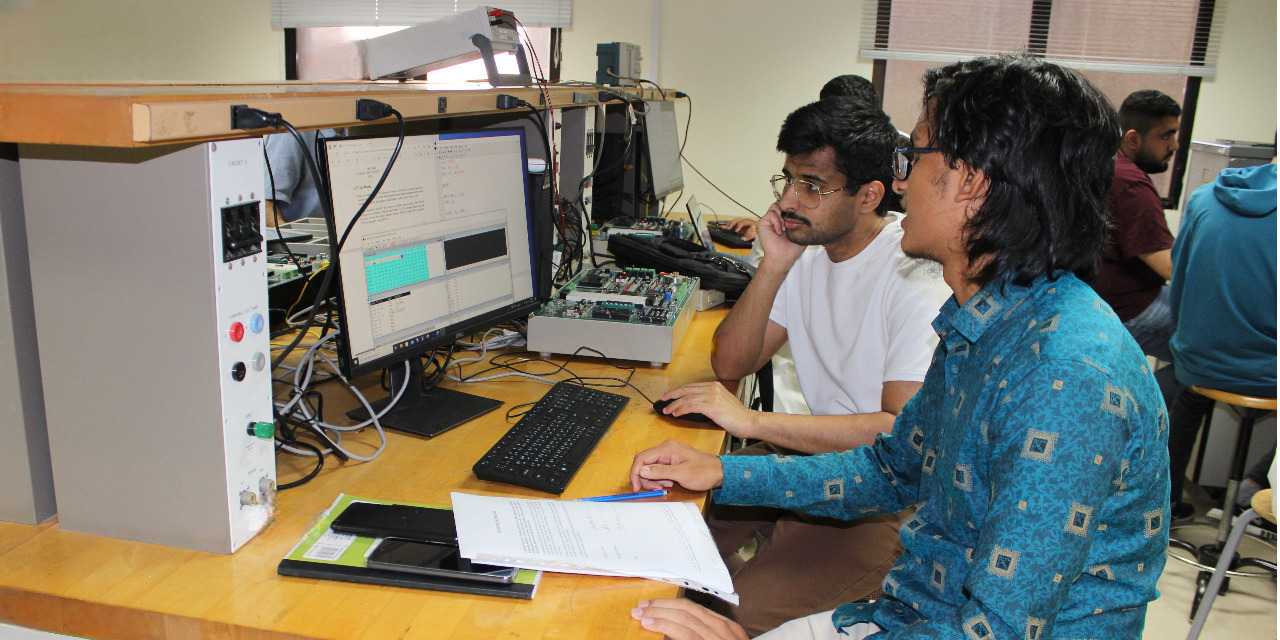
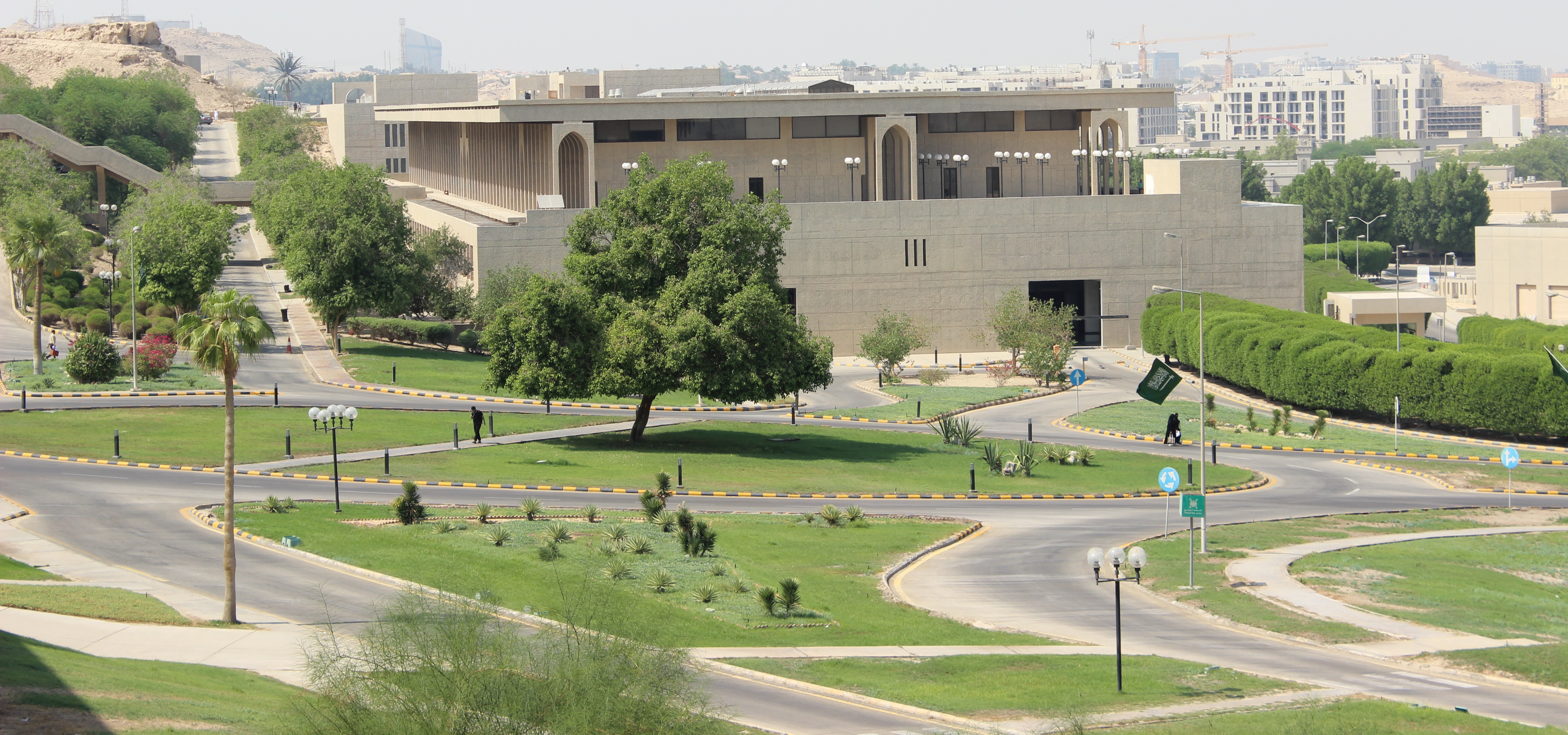
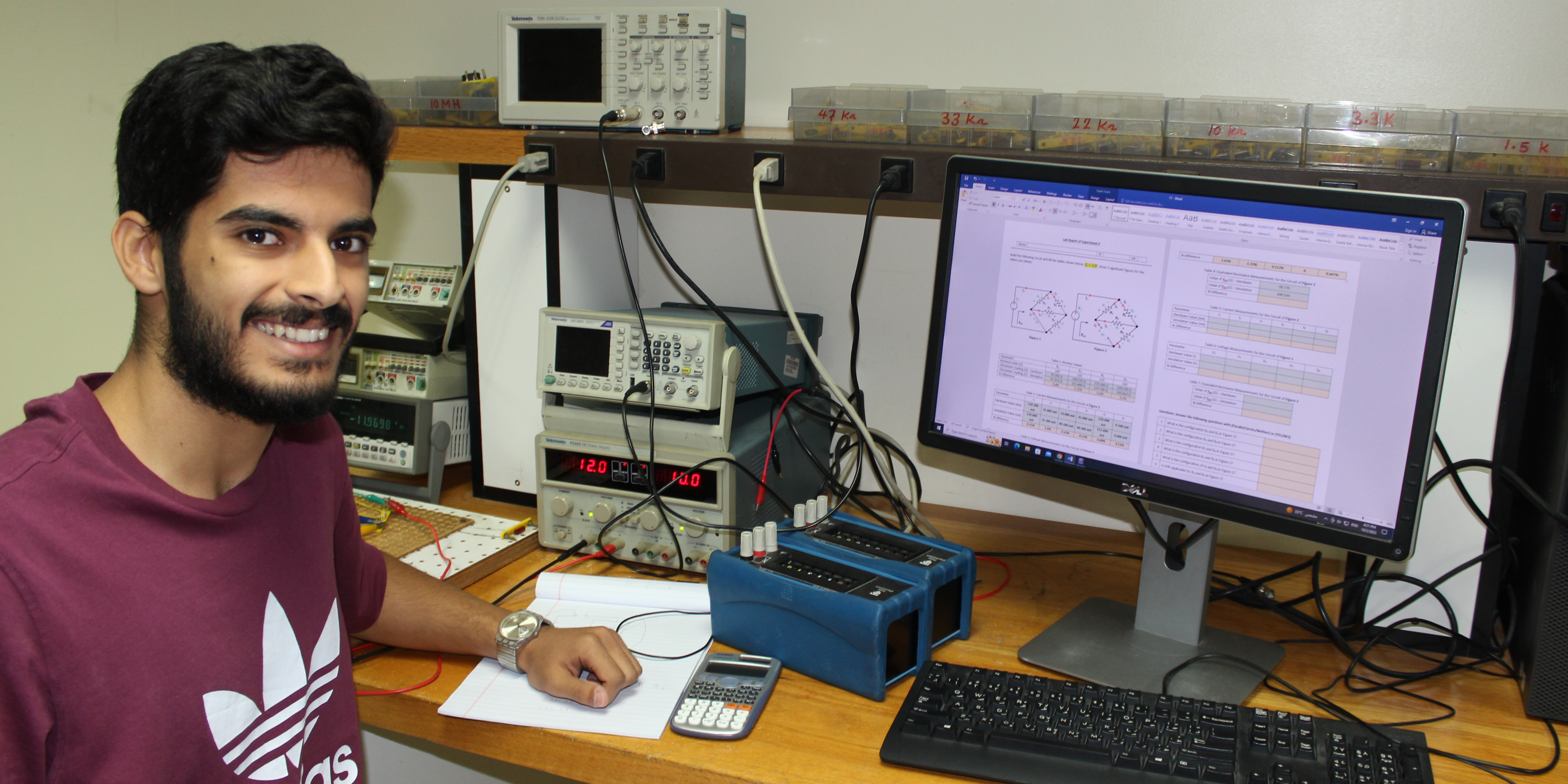

The Electrical Engineering department at KFUPM came into existence with the establishment of the University of Petroleum & Minerals in 1967. It is one of the largest departments in the University with an average number of students being approximately 900, 16% of whom are in the graduate program. The department provides 2 four-year undergraduate programs, Bachelor of Science in Electrical Engineering and Bachelor of Science in Electrical Engineering and Physics. The graduate program offers Master of Science and Master of Engineering in Electrical Engineering, Master of Science in Telecommunication Engineering, Master of Sustainable and Renewable Energy, Master of Wireless Communication Networks, and Ph.D. in Electrical Engineering.
The department has about 61 full-time faculty members in 6 specialized areas of research. The Groups in the department are: Energy Systems, Communications, Electronics, Control Systems, Electromagnetics, and Digital Signal Processing. Additionally, a pool of experienced engineers and technicians maintain more than 30 laboratories in the department.
To be globally known for skillful graduates and quality research with focus on national needs.
On January 20, 2026, the Electrical Engineering Department – IRC for Communication System and Sensing at King Fahd University of Petroleum & Minerals (KFUPM) hosted a seminar titled “From Model to Silicon: A Comprehensive Guide to Edge-AI Implementation Frameworks.” The seminar was delivered by Dr. Atif Raza Jafri from the Electronics and Nanoscale Engineering Division, James Watt School of Engineering, University of Glasgow (Scotland).
The talk highlighted the rapid shift in artificial intelligence from cloud-only processing to running AI inference directly on edge devices. Dr. Jafri discussed the key benefits of Edge-AI—including improved privacy and security, ultra-low latency for real-time applications, reduced data transmission, and enhanced energy efficiency—while emphasizing the practical challenges of deploying AI at the edge.
The seminar presented a comprehensive perspective on Edge-AI implementation, focusing on how developers and researchers can integrate specialized software tools with optimized hardware platforms to translate AI models into efficient, real-world deployments across diverse device architectures.
The following are the highlights of the event:


RF Rectifier Circuits for Energy Harvesting: Design, Challenges, and Applications
Techno-Economic Optimization of Integrated Energy Hubs under Uncertainty: A Risk-Aware Case Study
The Electrical Engineering Department (EE) at KFUPM provides a world-class education and innovative learning experiences for both undergraduate and graduate students.
Click on the following button to access online admissions application portal :