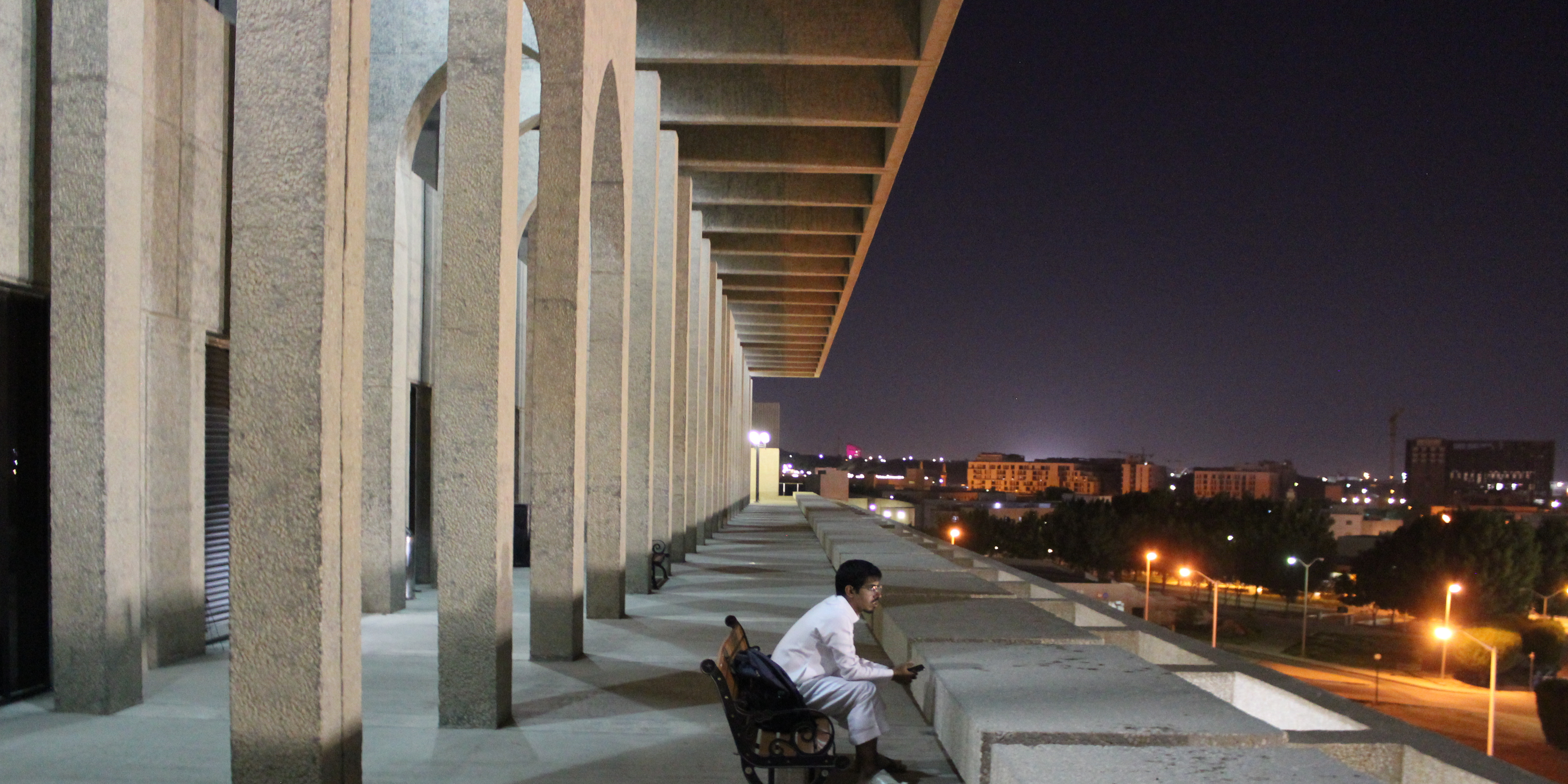
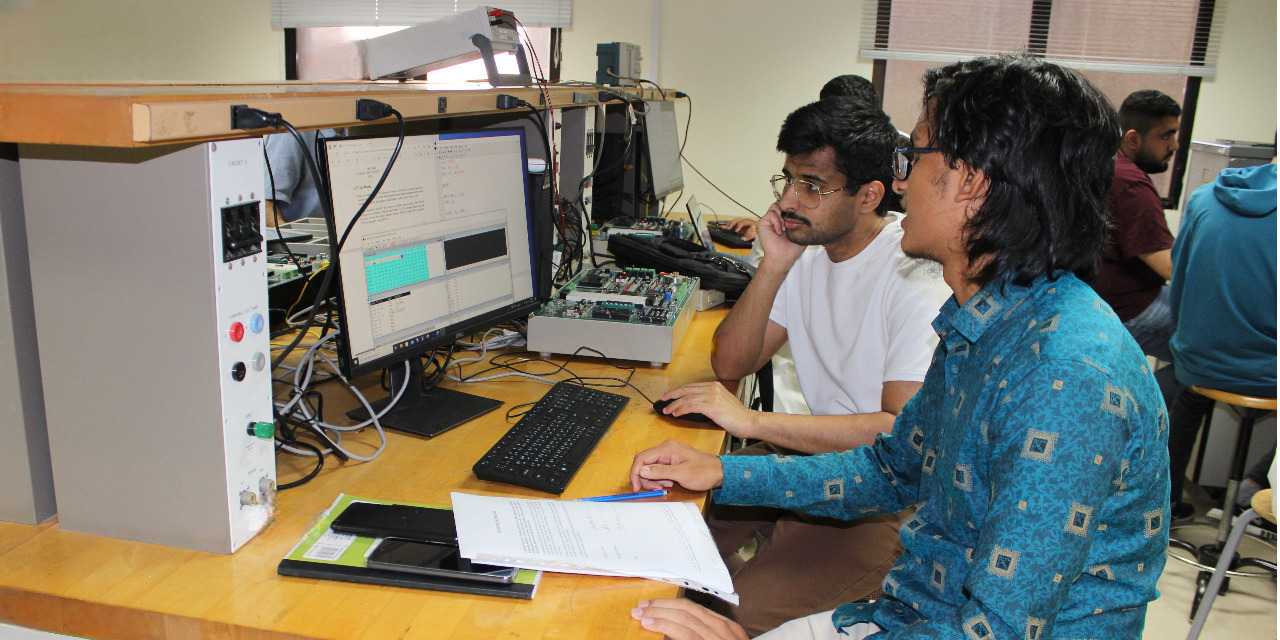
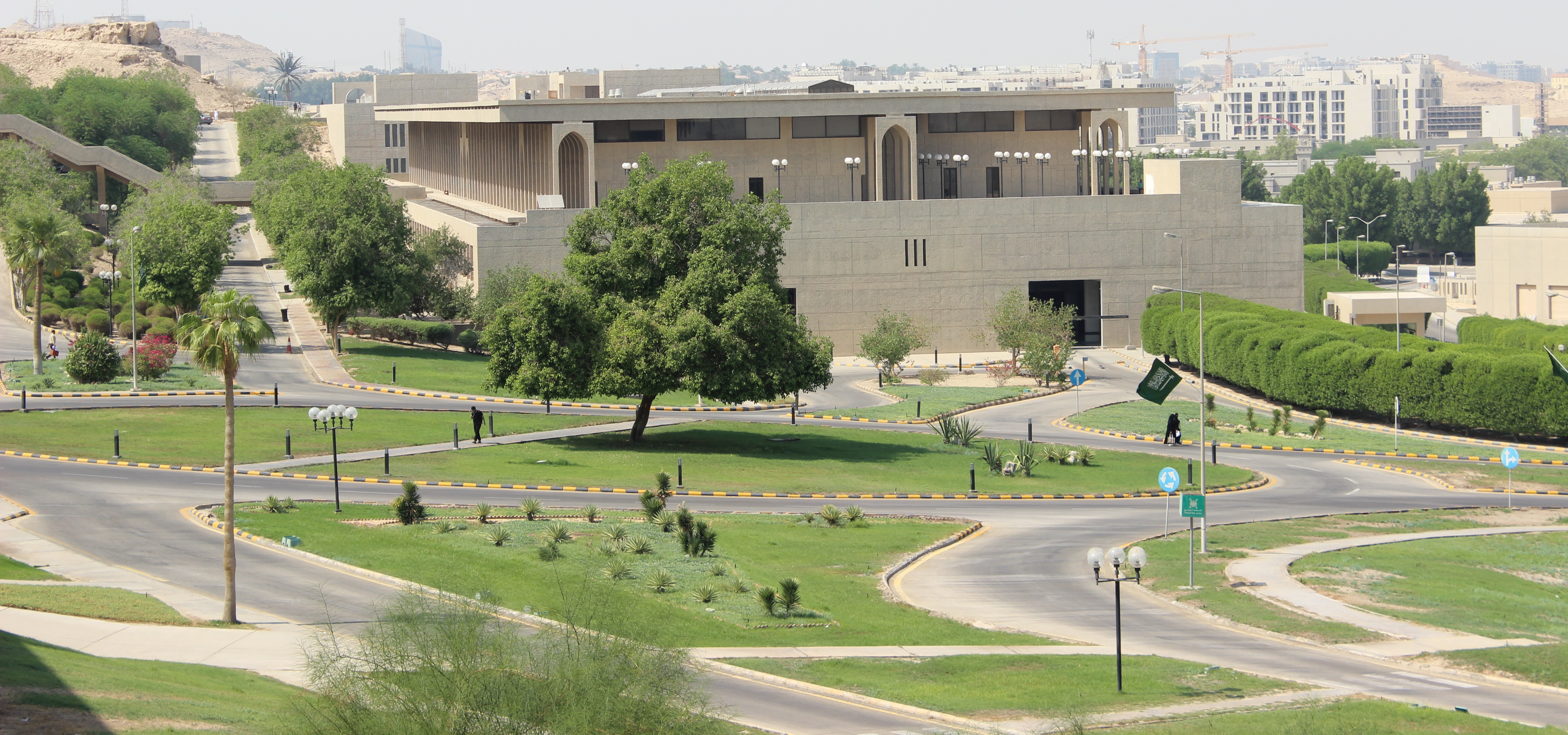
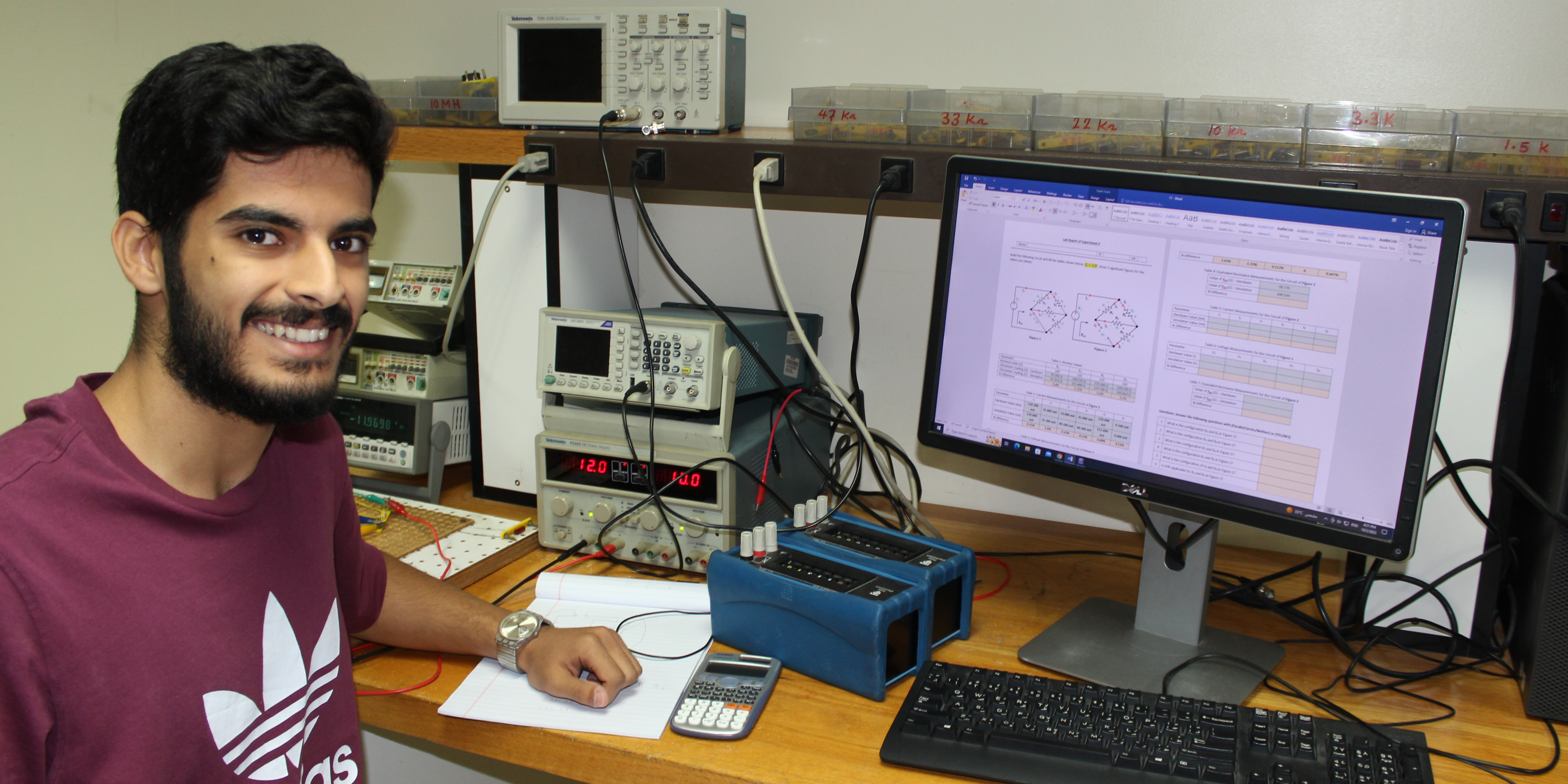

The Electrical Engineering department at KFUPM came into existence with the establishment of the University of Petroleum & Minerals in 1967. It is one of the largest departments in the University with an average number of students being approximately 900, 16% of whom are in the graduate program. The department provides 2 four-year undergraduate programs, Bachelor of Science in Electrical Engineering and Bachelor of Science in Electrical Engineering and Physics. The graduate program offers Master of Science and Master of Engineering in Electrical Engineering, Master of Science in Telecommunication Engineering, Master of Sustainable and Renewable Energy, Master of Wireless Communication Networks, and Ph.D. in Electrical Engineering.
The department has about 61 full-time faculty members in 6 specialized areas of research. The Groups in the department are: Energy Systems, Communications, Electronics, Control Systems, Electromagnetics, and Digital Signal Processing. Additionally, a pool of experienced engineers and technicians maintain more than 30 laboratories in the department.
To be globally known for skillful graduates and quality research with focus on national needs.
On February 24, 2026, the Electrical Engineering Department at KFUPM hosted a seminar titled “Extremely Large Antenna Arrays (ELAA) for 6G Communications & Sensing,” delivered by Prof. Karim Abed-Meraim (Professor at the University of Orléans) in Building 59, Room 1001. The seminar was organized by the IRC for Communication Systems and Sensing, in collaboration with the IEEE Signal Processing Society and the Electrical Engineering Department.
During the seminar, Prof. Abed-Meraim explained why Extremely Large Antenna Arrays are becoming a key enabling technology for 6G networks, where deploying hundreds or even thousands of antennas can significantly enhance system performance. He noted that as antenna counts and operating frequencies increase, 6G systems are expected to operate more strongly in the near-field region—shifting the assumptions behind traditional far-field communication models and opening new research directions.
Prof. Abed-Meraim then discussed the main challenges and opportunities created by this shift, including improved spectrum efficiency and more targeted transmission strategies. He also presented recent research themes related to ELAA, focusing on channel estimation and mobile positioning, and highlighted how blind and semi-blind techniques can support these tasks in practical 6G communication and sensing scenarios.
The following are the highlights of the event:


RF Rectifier Circuits for Energy Harvesting: Design, Challenges, and Applications
Techno-Economic Optimization of Integrated Energy Hubs under Uncertainty: A Risk-Aware Case Study
The Electrical Engineering Department (EE) at KFUPM provides a world-class education and innovative learning experiences for both undergraduate and graduate students.
Click on the following button to access online admissions application portal :