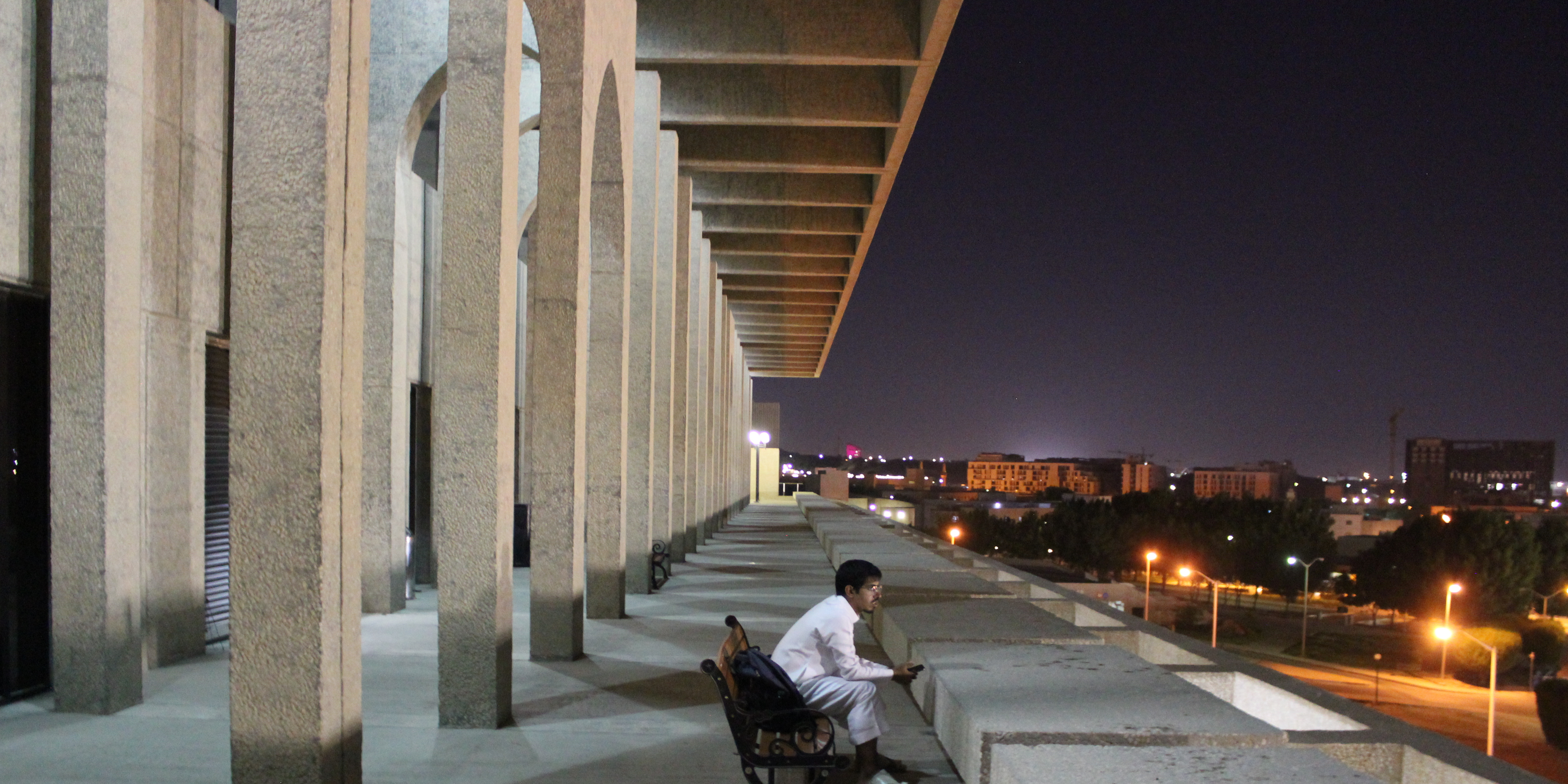
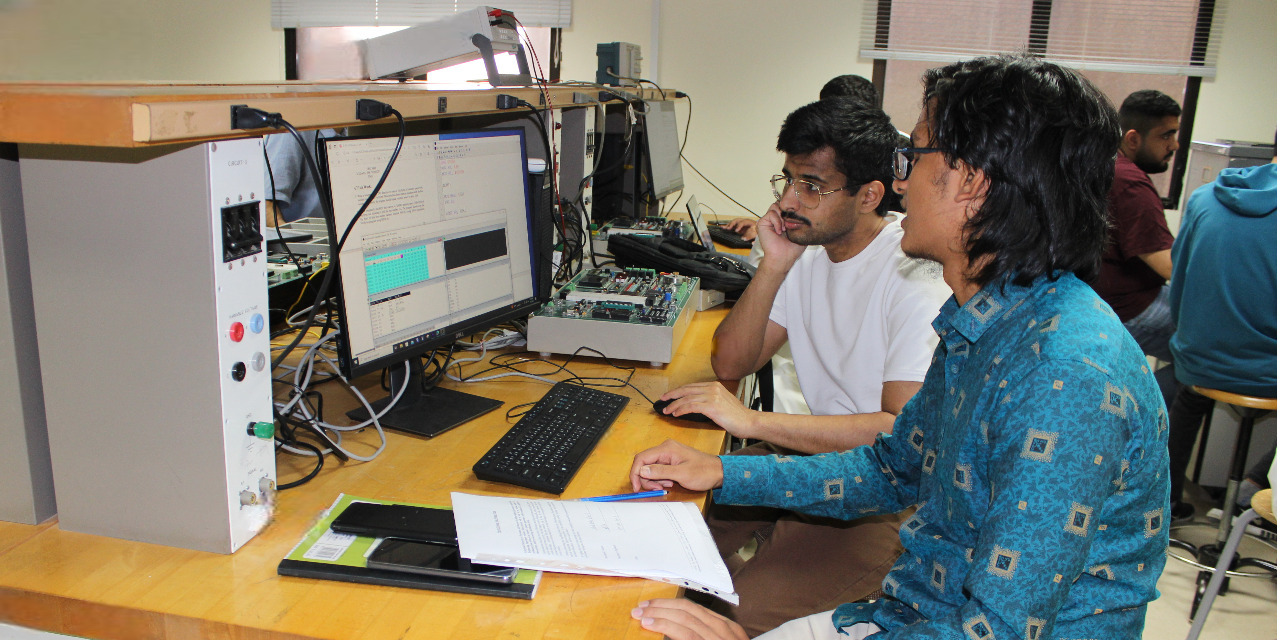
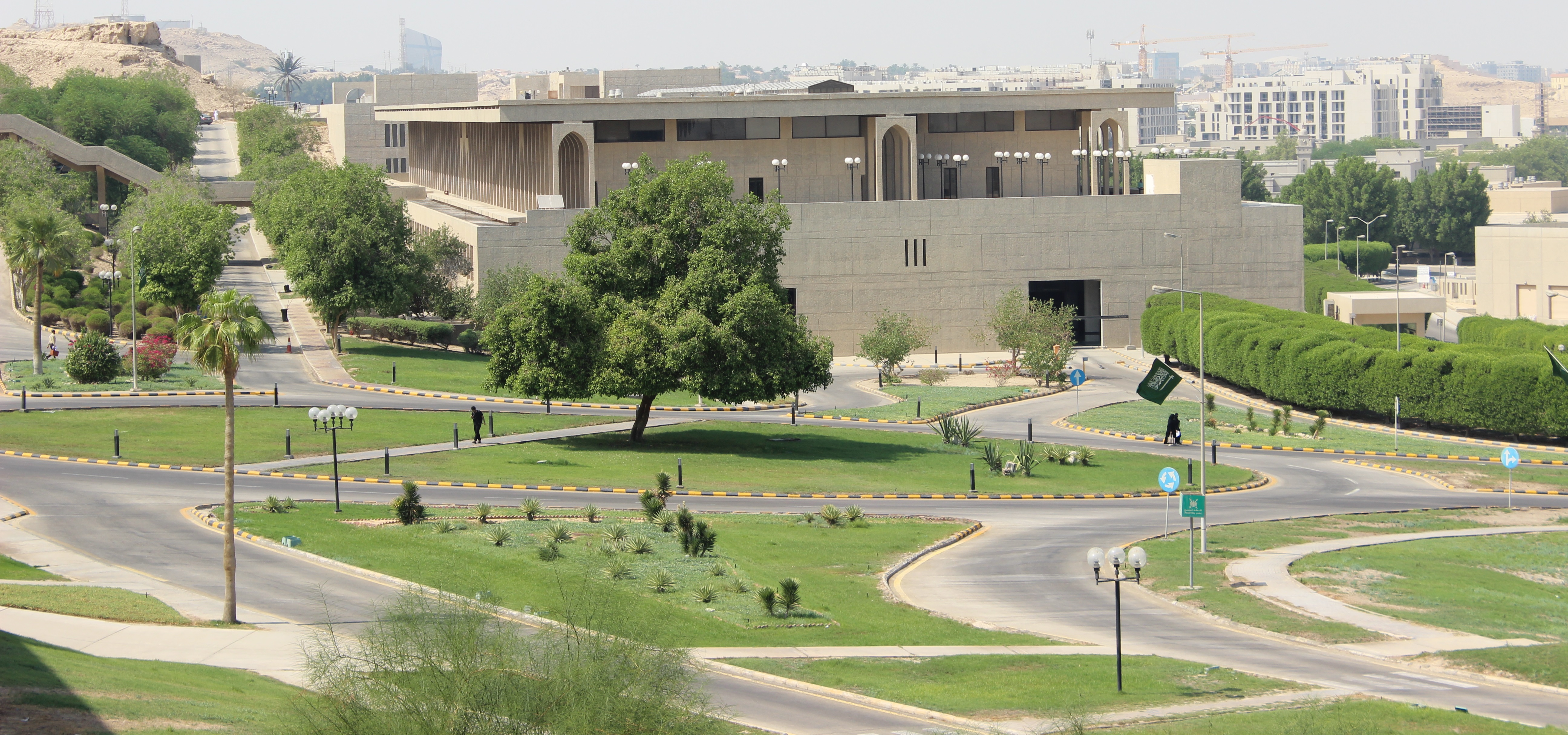
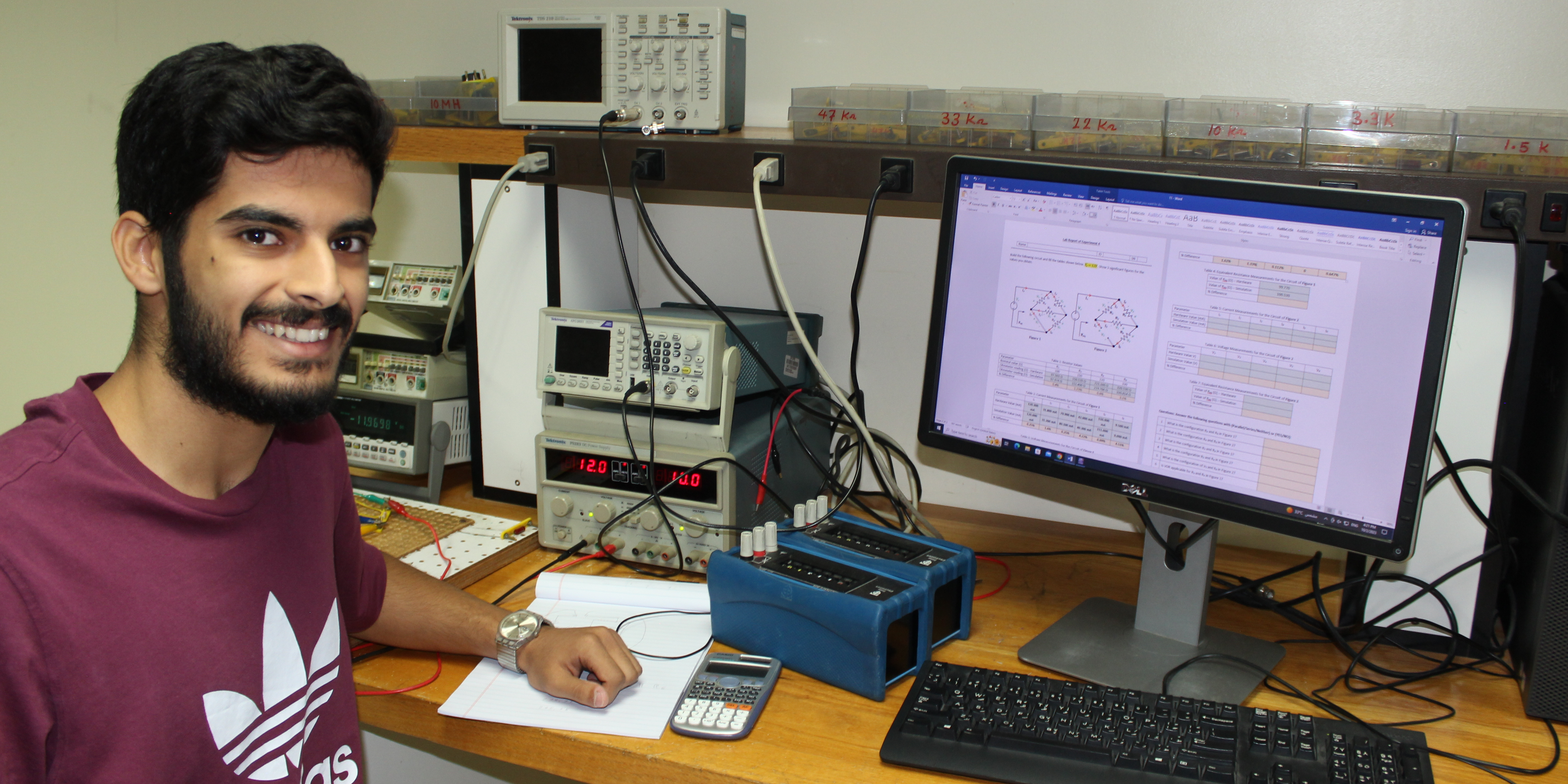

The Electrical Engineering department at KFUPM came into existence with the establishment of the University of Petroleum & Minerals in 1967. It is one of the largest departments in the University with an average number of students being approximately 900, 16% of whom are in the graduate program. The department provides 2 four-year undergraduate programs, Bachelor of Science in Electrical Engineering and Bachelor of Science in Electrical Engineering and Physics. The graduate program offers Master of Science and Master of Engineering in Electrical Engineering, Master of Science in Telecommunication Engineering, Master of Sustainable and Renewable Energy, Master of Wireless Communication Networks, and Ph.D. in Electrical Engineering.
The department has about 61 full-time faculty members in 6 specialized areas of research. The Groups in the department are: Energy Systems, Communications, Electronics, Control Systems, Electromagnetics, and Digital Signal Processing. Additionally, a pool of experienced engineers and technicians maintain more than 30 laboratories in the department.
To be globally known for skillful graduates and quality research with focus on national needs.
On September 29, 2026, the Electrical Engineering Department at King Fahd University of Petroleum & Minerals (KFUPM) hosted a seminar titled “Techno-Economic Optimization of Integrated Energy Hubs Under Uncertainty: A Risk-Aware Case Study,” delivered by Dr. Fahad Saleh Al-Ismail, Associate Professor in the Electrical Engineering Department.
The seminar introduced the concept of integrated energy hubs, which coordinate multiple energy resources and technologies, including electricity, heat, hydrogen, water, renewable energy generation, and energy storage. Dr. Al-Ismail discussed the role of energy hubs in improving system flexibility, reducing costs, and supporting decarbonization.
The talk presented a detailed case study involving multi-energy resources, demand response, battery thermal and hydrogen storage, and alternative electrolyzer technologies. A unit-commitment optimization model based on Information-Gap Decision Theory was discussed as an approach for addressing simultaneous uncertainties in energy demand, renewable generation, and energy prices.
The case study highlighted the economic and environmental trade-offs associated with integrated energy systems and demonstrated how risk-aware strategies can support robust operational decision-making under significant uncertainty.
Participants gained insights into the design and optimization of integrated energy systems, as well as the role of uncertainty modeling and risk-aware optimization in developing resilient and sustainable energy solutions.
The following are the highlights of the event:


RF Rectifier Circuits for Energy Harvesting: Design, Challenges, and Applications
Techno-Economic Optimization of Integrated Energy Hubs under Uncertainty: A Risk-Aware Case Study
The Electrical Engineering Department (EE) at KFUPM provides a world-class education and innovative learning experiences for both undergraduate and graduate students.
Click on the following button to access online admissions application portal :