
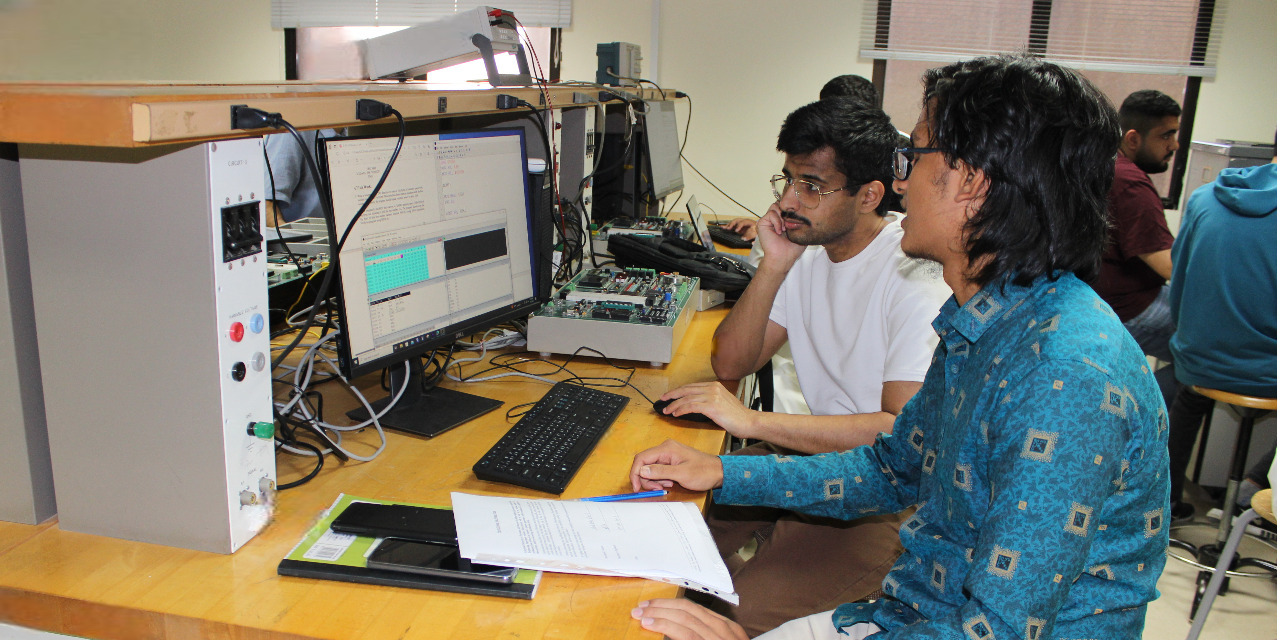
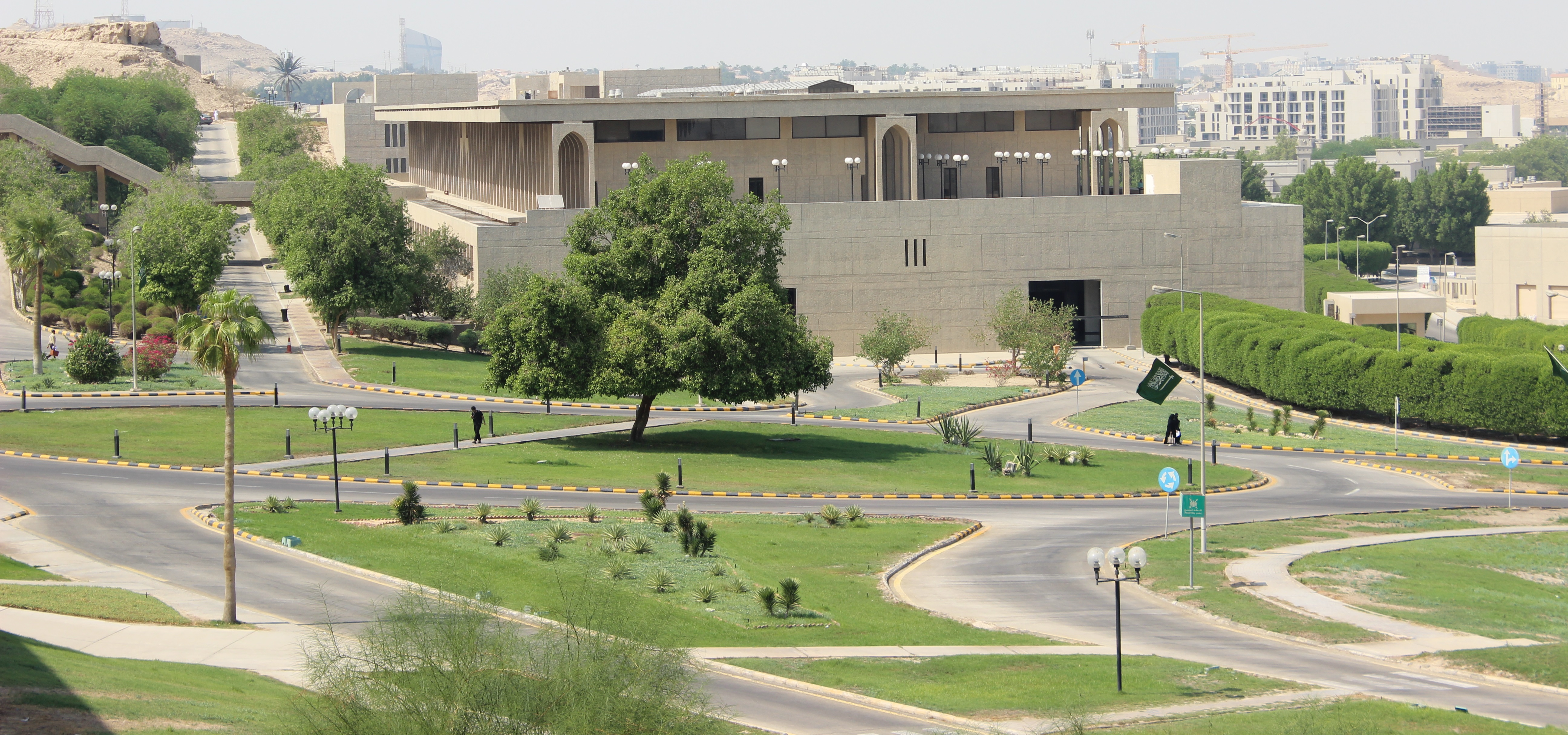
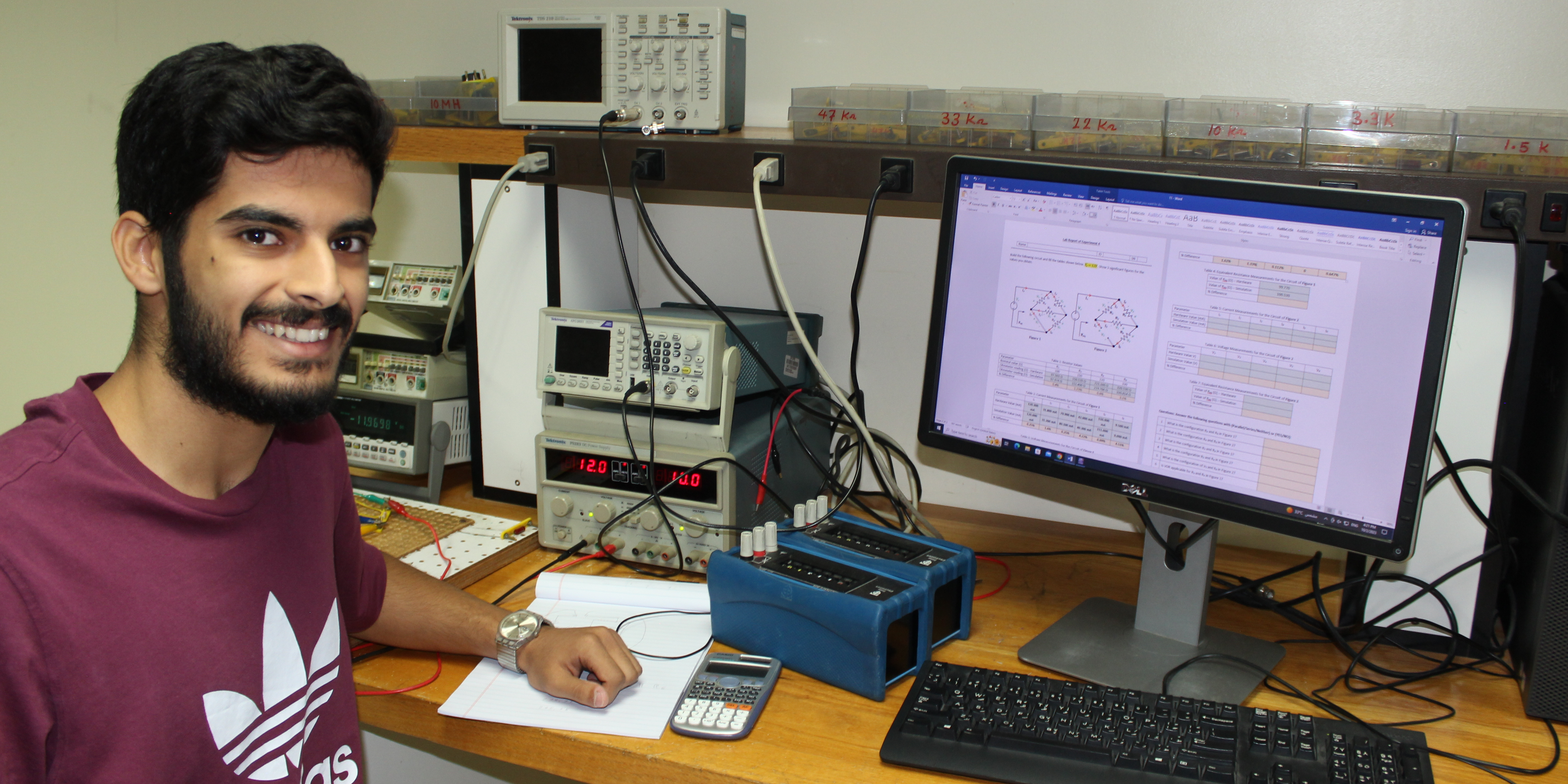

The Electrical Engineering department at KFUPM came into existence with the establishment of the University of Petroleum & Minerals in 1967. It is one of the largest departments in the University with an average number of students being approximately 900, 16% of whom are in the graduate program. The department provides 2 four-year undergraduate programs, Bachelor of Science in Electrical Engineering and Bachelor of Science in Electrical Engineering and Physics. The graduate program offers Master of Science and Master of Engineering in Electrical Engineering, Master of Science in Telecommunication Engineering, Master of Sustainable and Renewable Energy, Master of Wireless Communication Networks, and Ph.D. in Electrical Engineering.
The department has about 61 full-time faculty members in 6 specialized areas of research. The Groups in the department are: Energy Systems, Communications, Electronics, Control Systems, Electromagnetics, and Digital Signal Processing. Additionally, a pool of experienced engineers and technicians maintain more than 30 laboratories in the department.
To be globally known for skillful graduates and quality research with focus on national needs.
On October 6, 2026, the Electrical Engineering Department at King Fahd University of Petroleum & Minerals (KFUPM), in collaboration with the Interdisciplinary Research Center for Communication Systems and Sensing (IRC-CSS), hosted a seminar titled “RF Rectifier Circuits for Energy Harvesting: Design, Challenges, and Applications,” delivered by Dr. Md Ahsan Halimi, Postdoctoral Fellow at IRC-CSS.
The seminar introduced RF energy harvesting as a promising approach for powering low-power wireless sensors and Internet-of-Things (IoT) devices by converting ambient or dedicated radio-frequency signals into usable DC power. The discussion highlighted the role of RF rectifier circuits as a key component in determining the overall energy-conversion efficiency of such systems.
Dr. Halimi discussed the fundamental operation and design considerations of RF rectifier circuits, including diode selection, impedance matching, harmonic effects, and RF-to-DC conversion efficiency. The seminar also addressed practical challenges associated with low input power levels, frequency variations, and different load conditions.
Recent approaches for improving rectifier performance in RF energy-harvesting applications were also presented, providing participants with insights into emerging techniques for developing efficient wireless power systems.
The seminar highlighted the potential of RF energy harvesting for enabling self-powered and autonomous wireless systems, particularly in applications involving low-power sensors, IoT devices, and wireless communication technologies.
The following are the highlights of the event:


Quantum Key Distribution Without a Shared Reference Frame
Smart Inverters Under Cyberattack: A Laboratory Demonstration and a Lightweight Defence
The Electrical Engineering Department (EE) at KFUPM provides a world-class education and innovative learning experiences for both undergraduate and graduate students.
Click on the following button to access online admissions application portal :