
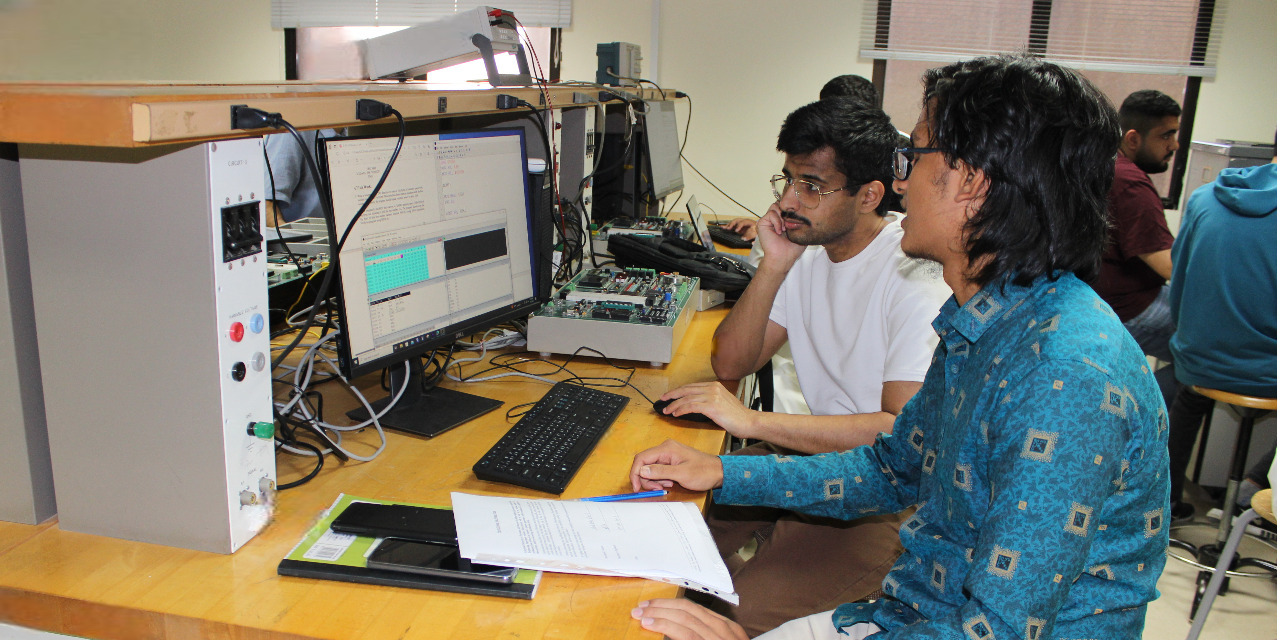
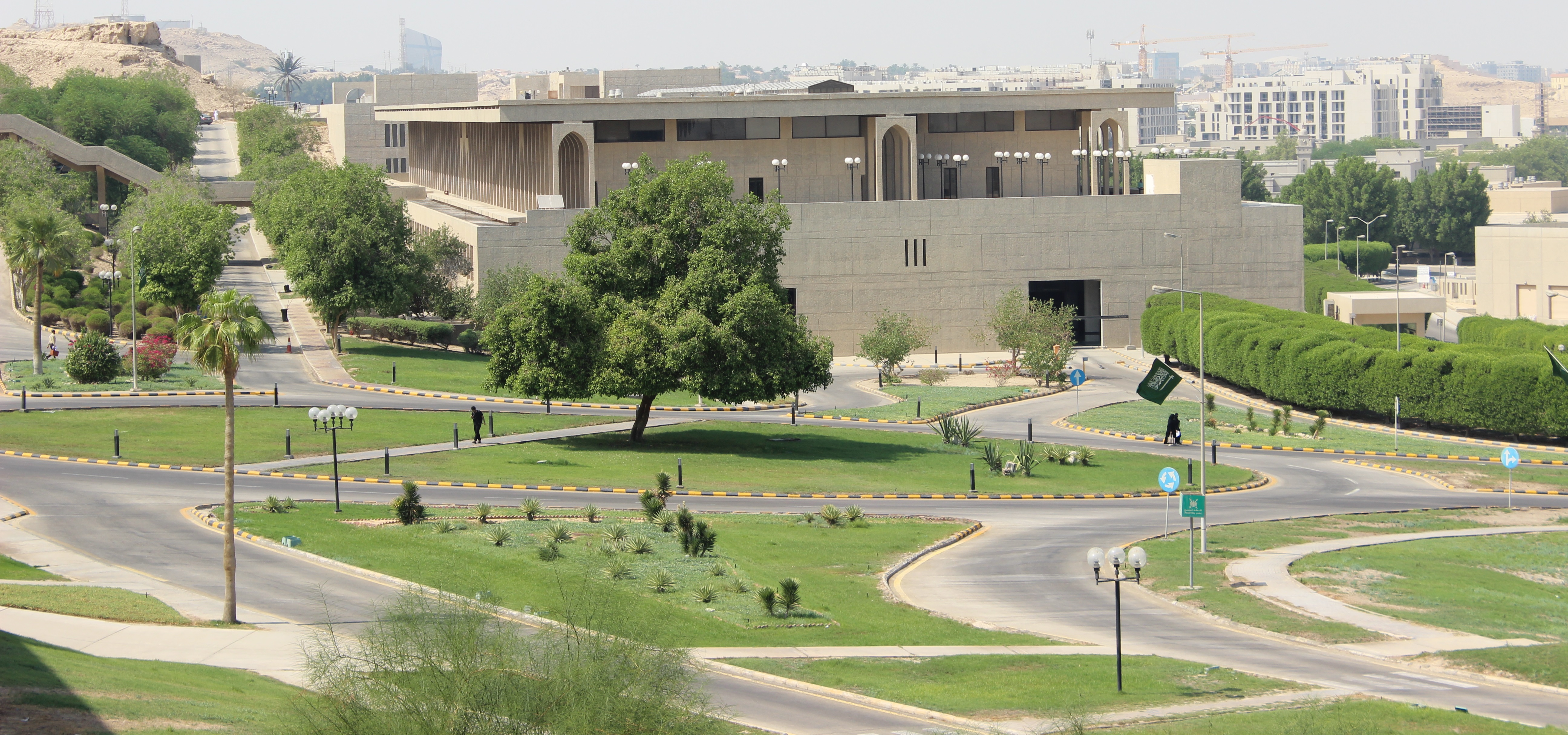
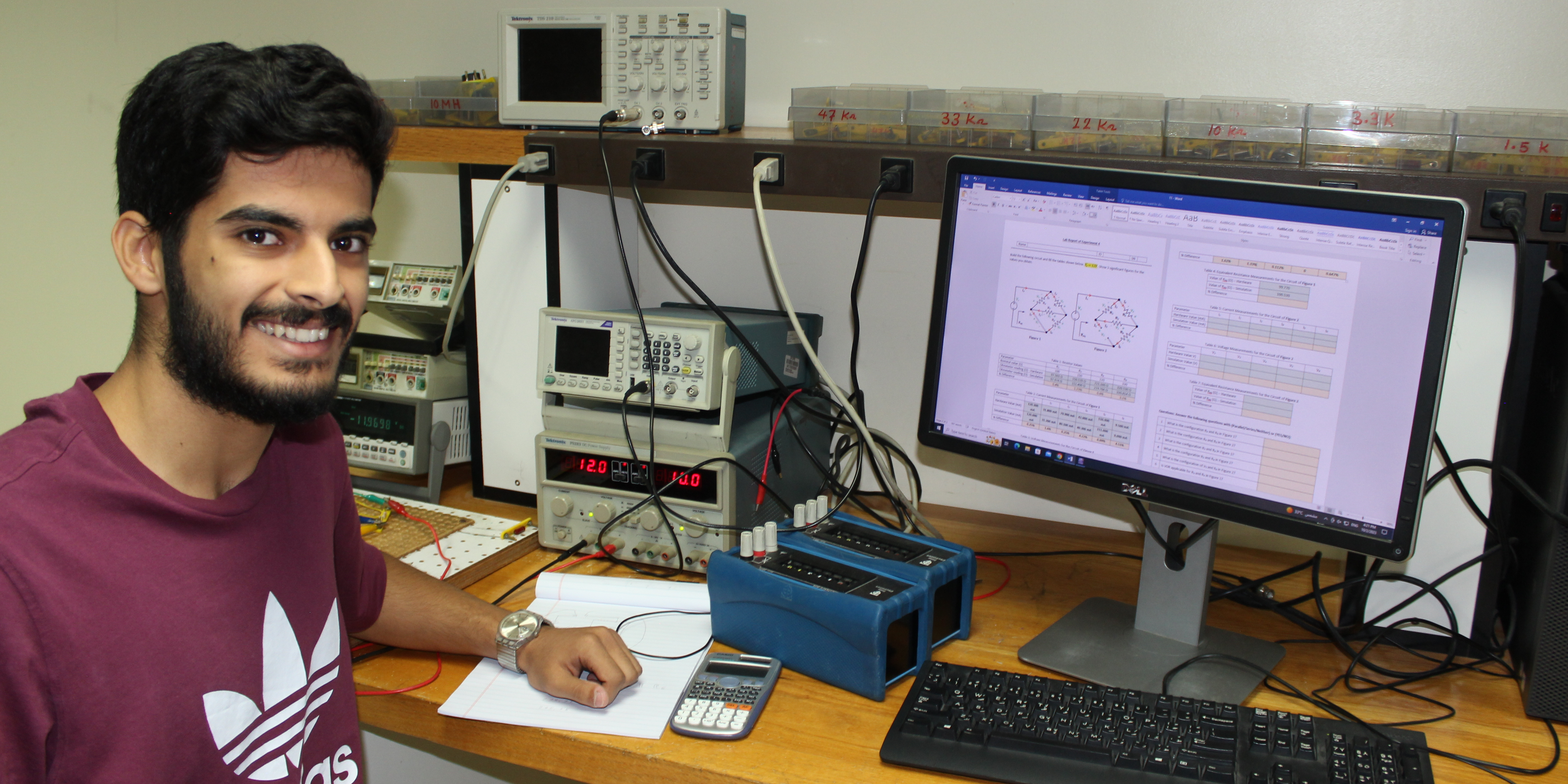

The Electrical Engineering department at KFUPM came into existence with the establishment of the University of Petroleum & Minerals in 1967. It is one of the largest departments in the University with an average number of students being approximately 900, 16% of whom are in the graduate program. The department provides 2 four-year undergraduate programs, Bachelor of Science in Electrical Engineering and Bachelor of Science in Electrical Engineering and Physics. The graduate program offers Master of Science and Master of Engineering in Electrical Engineering, Master of Science in Telecommunication Engineering, Master of Sustainable and Renewable Energy, Master of Wireless Communication Networks, and Ph.D. in Electrical Engineering.
The department has about 61 full-time faculty members in 6 specialized areas of research. The Groups in the department are: Energy Systems, Communications, Electronics, Control Systems, Electromagnetics, and Digital Signal Processing. Additionally, a pool of experienced engineers and technicians maintain more than 30 laboratories in the department.
To be globally known for skillful graduates and quality research with focus on national needs.
On October 27, 2026, the Electrical Engineering Department at King Fahd University of Petroleum & Minerals (KFUPM), in collaboration with the Interdisciplinary Research Center for Communication Systems and Sensing (IRC-CSS), hosted a seminar titled “Micro-Doppler Sensing and the Practical Realities of SDR Prototyping,” delivered by Dr. Faran Awais Butt, Postdoctoral Fellow at IRC-CSS.
The seminar explored the fundamentals of software-defined radios (SDRs) and radio-frequency (RF) sensing, highlighting how programmable platforms have transformed the design and testing of wireless systems. Dr. Butt discussed how SDR technology enables flexible implementations ranging from low-cost USB devices to advanced research systems, and how distance and velocity can be estimated from reflected signals.
The presentation examined micro-Doppler signatures, which are distinctive frequency patterns produced by the motion of a target, and their applications in various sensing scenarios. The discussion also addressed the practical challenges of hardware implementation, emphasizing how real-world impairments that may be overlooked in theoretical models can significantly affect system performance.
The seminar further highlighted the role of SDR-based prototyping in translating theoretical concepts into practical, validated systems. Participants gained insights into RF sensing, micro-Doppler analysis, and the engineering considerations involved in developing and testing reliable wireless sensing technologies.
The following are the highlights of the event:


Quantum Key Distribution Without a Shared Reference Frame
Smart Inverters Under Cyberattack: A Laboratory Demonstration and a Lightweight Defence
The Electrical Engineering Department (EE) at KFUPM provides a world-class education and innovative learning experiences for both undergraduate and graduate students.
Click on the following button to access online admissions application portal :