
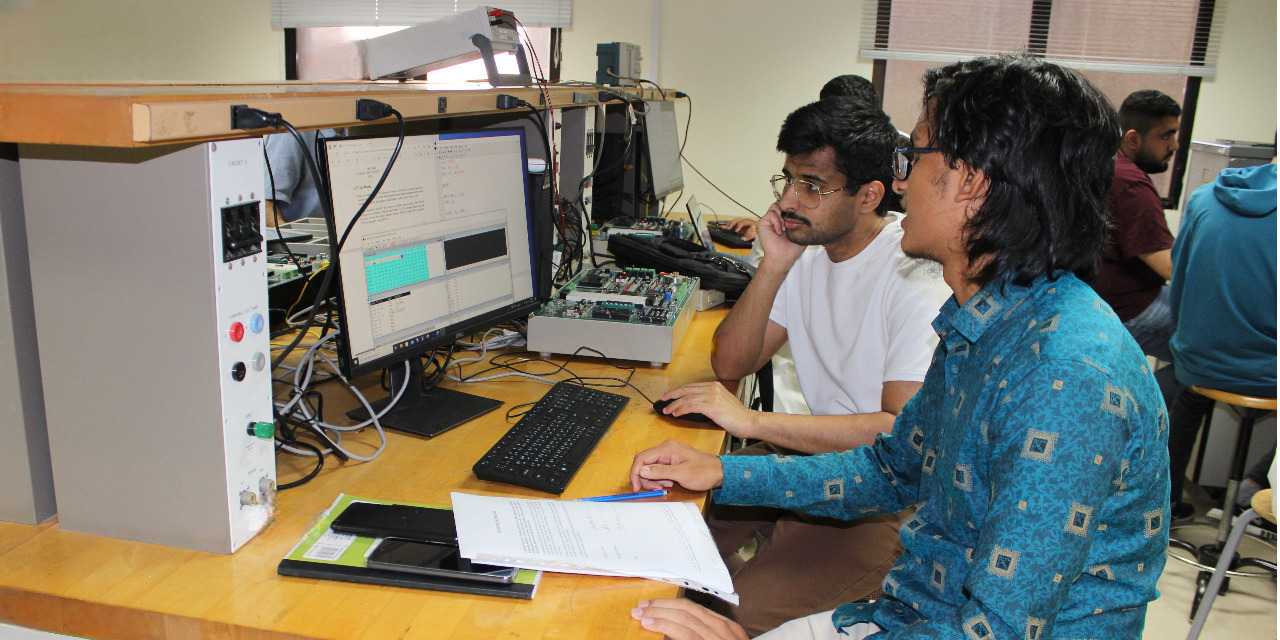
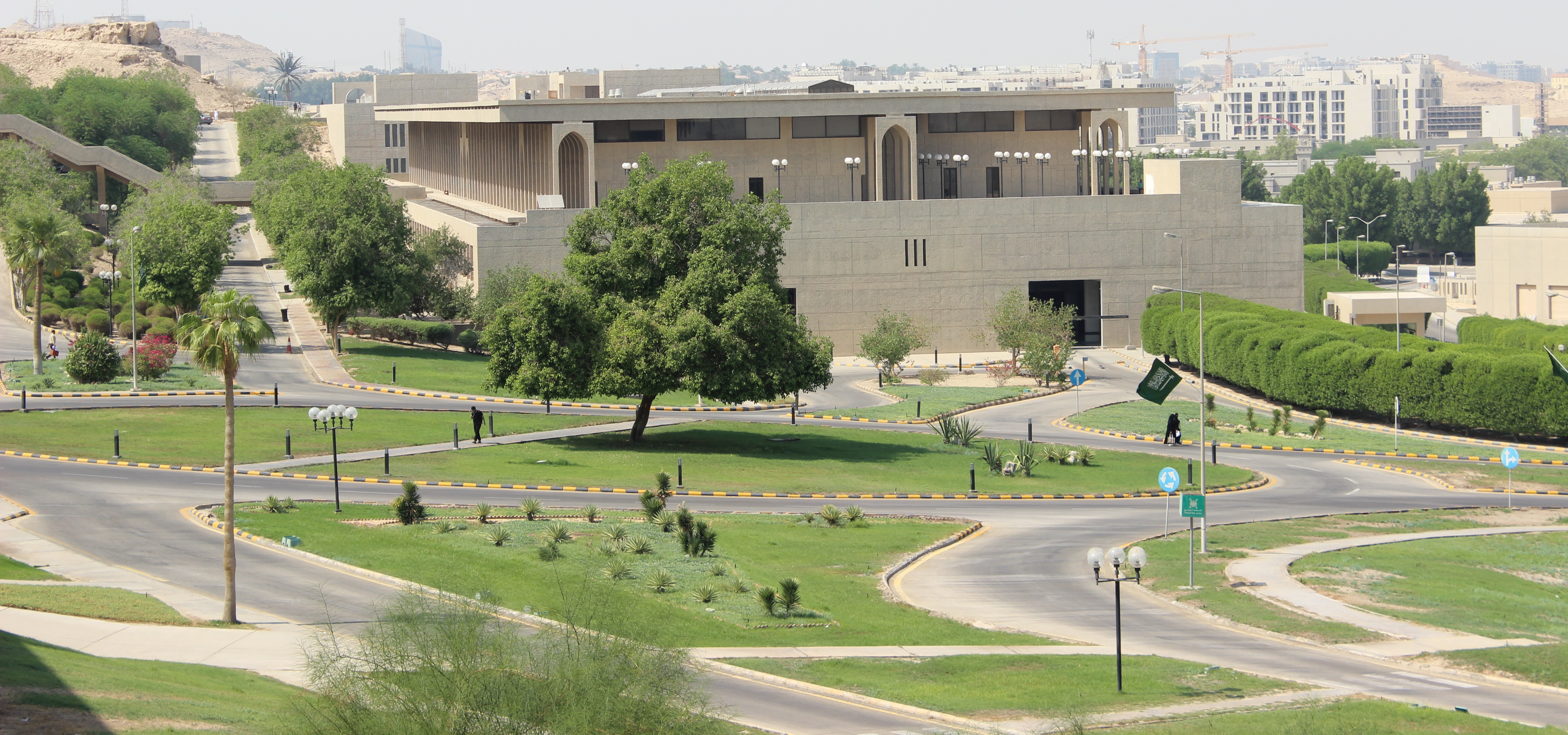
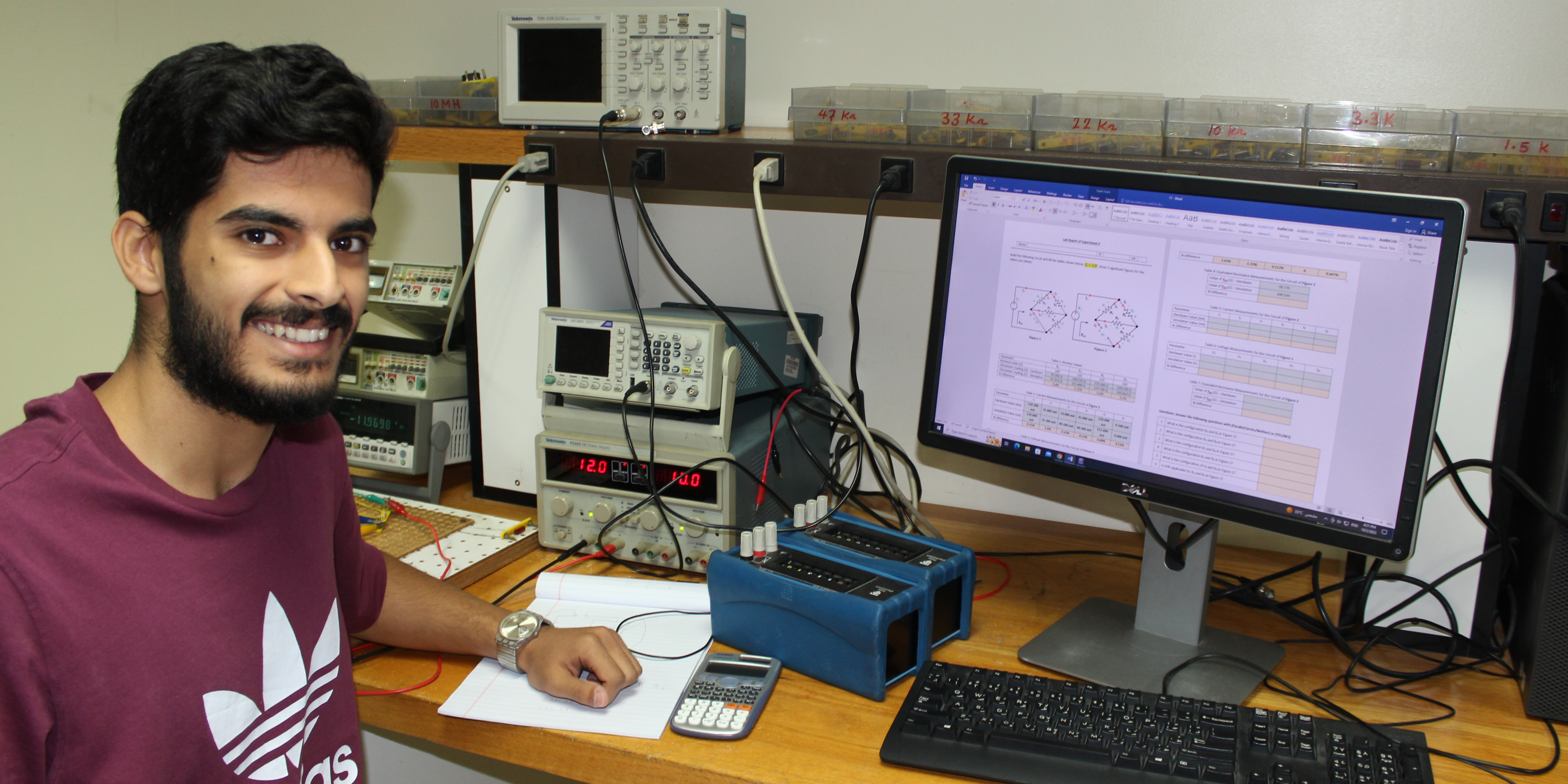

The Electrical Engineering department at KFUPM came into existence with the establishment of the University of Petroleum & Minerals in 1967. It is one of the largest departments in the University with an average number of students being approximately 900, 16% of whom are in the graduate program. The department provides 2 four-year undergraduate programs, Bachelor of Science in Electrical Engineering and Bachelor of Science in Electrical Engineering and Physics. The graduate program offers Master of Science and Master of Engineering in Electrical Engineering, Master of Science in Telecommunication Engineering, Master of Sustainable and Renewable Energy, Master of Wireless Communication Networks, and Ph.D. in Electrical Engineering.
The department has about 61 full-time faculty members in 6 specialized areas of research. The Groups in the department are: Energy Systems, Communications, Electronics, Control Systems, Electromagnetics, and Digital Signal Processing. Additionally, a pool of experienced engineers and technicians maintain more than 30 laboratories in the department.
To be globally known for skillful graduates and quality research with focus on national needs.
On April 16, 2025, the Optics and Photonics Research Area hosted a seminar titled “Adaptive and Secure Architectures for Next-Gen PONs: Efficiency, Trust, and Latency Solutions.” The session was led by Dr. Khurram Qureshi, research area coordinator, alongside affiliates Dr. Fahhad Alharbi, Dr. Kamran Ali, and Dr. Huda Zain.
The seminar showcased recent advancements in Passive Optical Networks (PONs), with a focus on developing adaptive and secure architectures to meet the demands of next-generation communication systems. It emphasized strategies for enhancing network efficiency, building user trust through stronger security frameworks, and minimizing latency to enable faster and more reliable connectivity.
The speakers explored current challenges, innovative solutions, and the critical role of PONs in supporting emerging technologies such as 5G and the Internet of Things. Attendees engaged in discussions that provided valuable insights into the evolution of network infrastructures and the opportunities for advancing secure, high-performance optical communication systems.
The following are the highlights of the event:

.jpeg?sfvrsn=2a6a87f8_1)
This discussion seminar explores the future of Passive Optical Networks (PONs) with a focus on creating adaptive and secure architectures. It highlights key strategies to improve network efficiency, build user trust through stronger security, and reduce latency for faster communication. The session will provide an overview of current challenges and emerging solutions that support the growing demands of technologies like 5G and the Internet of Things.

Building 59-2004
16 Apr, 2025
11:00 AM - 11:50 AM
The Electrical Engineering Department (EE) at KFUPM provides a world-class education and innovative learning experiences for both undergraduate and graduate students.
Click on the following button to access online admissions application portal :